The main objective of a load test is to determine the maximum amount of load that a structure or component can withstand before it reaches its limit or fails. Load tests usually involve the application of static or dynamic loads, depending on the nature of the object under test. They are carried out using specialised equipment such as hydraulic actuators, weights or mechanical systems, depending on the specific requirements of the test.
LOAD TESTS
Safety Under Maximum Load
Principles and Significance of Load Testing
Load testing is a method that allows verification of whether structural components meet the required parameters and standards. The main goal is to simulate real operating conditions and determine how materials behave under the influence of various forces and loads.
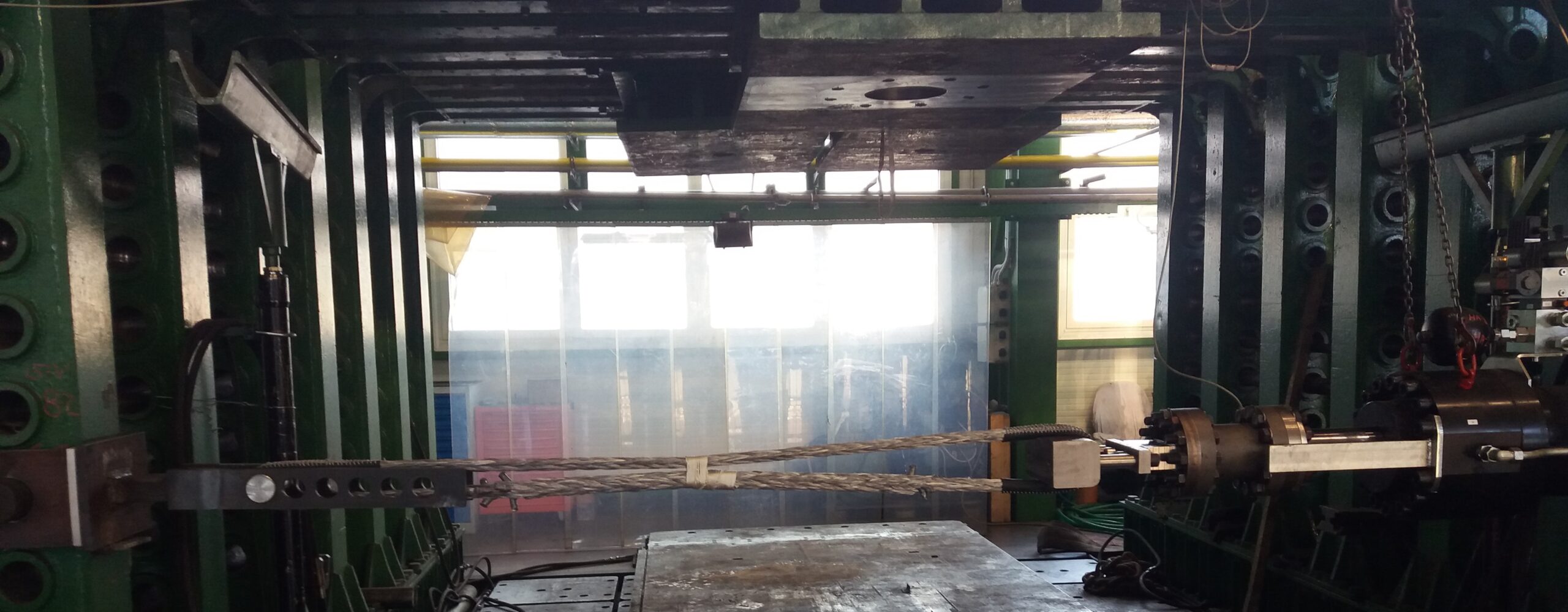
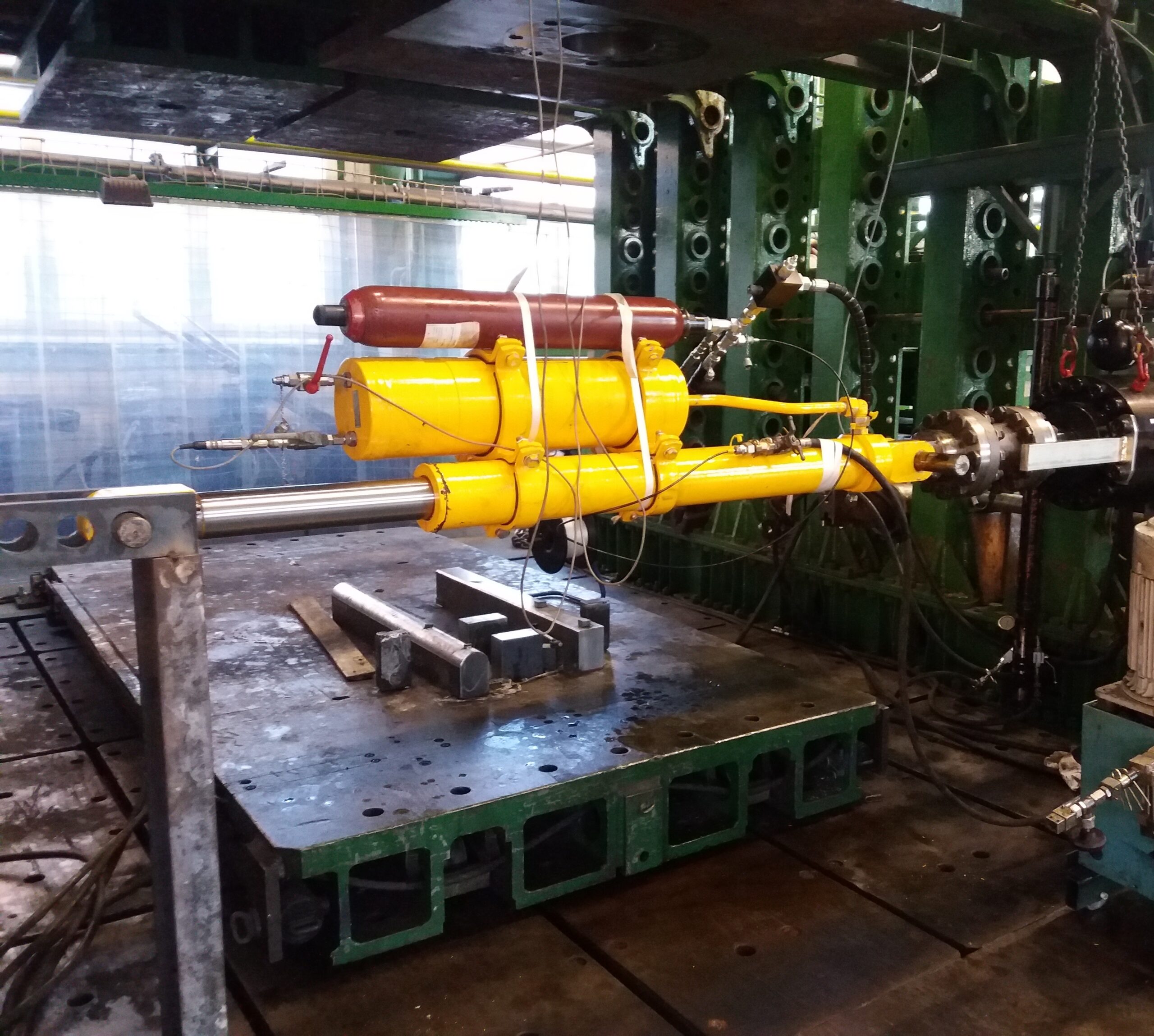
Our facility boasts extensive equipment, including a testing hall and its large testing frames. Among them, the largest testing frame stands out with an impressive capacity, capable of handling forces up to 25,000 kN. Thanks to this, we can address even the most demanding load testing requirements with accuracy and precision.
Crucial aspects of these tests include:
- Verification of load-bearing capacity and material strength
- Identification of potential structural weaknesses
- Prevention of structural failures
- Ensuring safety during long-term operation
Methods of Conducting Load Tests
There is a wide variety of methods and equipment utilized in the execution of load tests. These include:
-
Static load tests, where a gradually increasing force is applied to the structural component. This method is used to determine limit values and evaluate static characteristics.
-
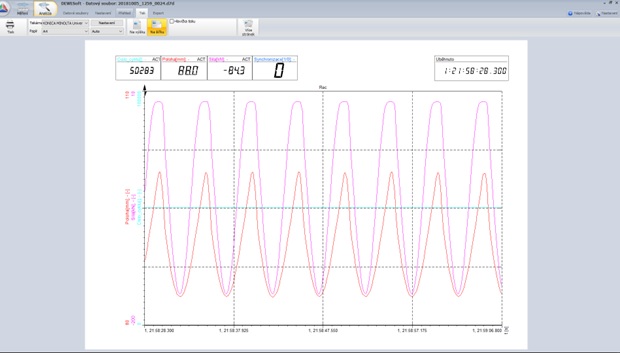
Dynamic load tests, which focus on material behavior under rapid and repeated loads. This method is often used for structures exposed to impact loads, vibrations, or cyclic forces, e.g., in the testing of bridge structures and other transport infrastructure.
Furthermore, to maintain maximum accuracy, our equipment is regularly calibrated, which guarantees reliable and consistent results. The output of the test is then an accredited test report in Czech or in your requested language.
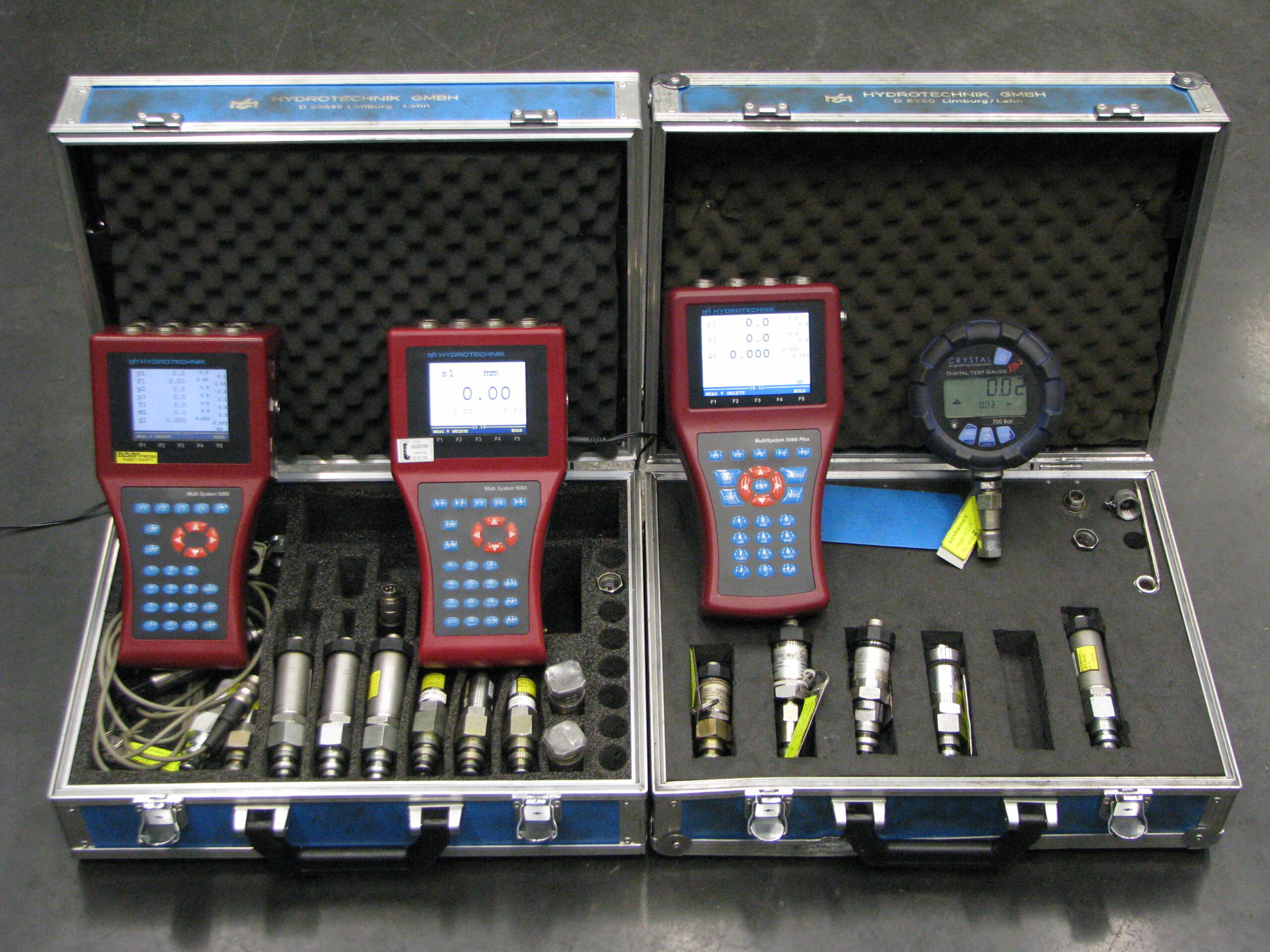
Our State-of-the-Art Testing Equipment
In addition to our testing frame with its impressive capacity, we also offer the option to conveniently perform measurements and load testing directly on your premises. This flexibility allows for efficient testing procedures and the evaluation of components or structures within their actual operating environment.
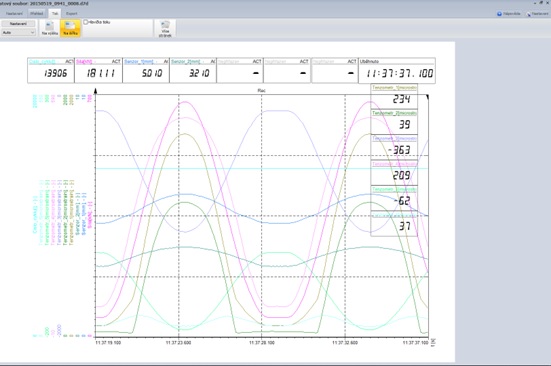
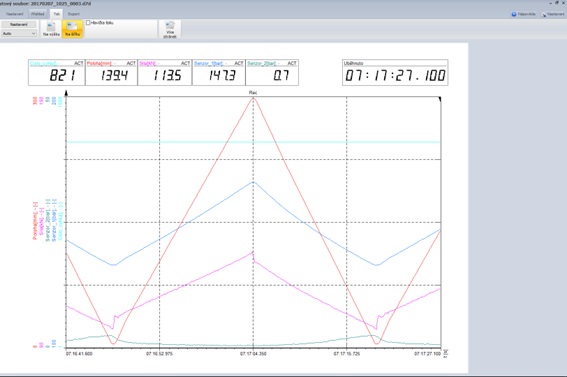
- The development of technology has enabled the creation of more sophisticated measurement methods. Today, digital measuring systems are increasingly being used in load testing, increasing accuracy and enabling real-time monitoring.
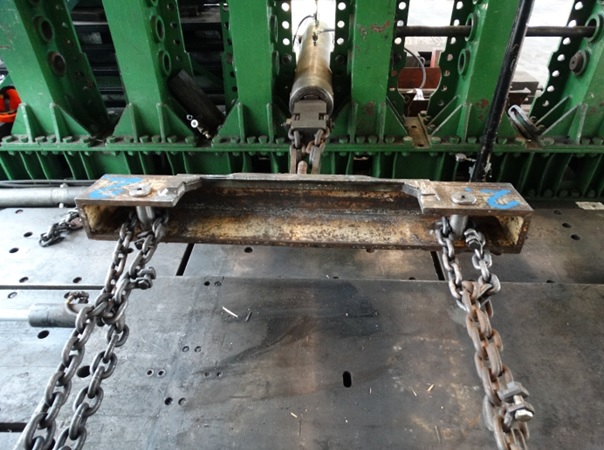
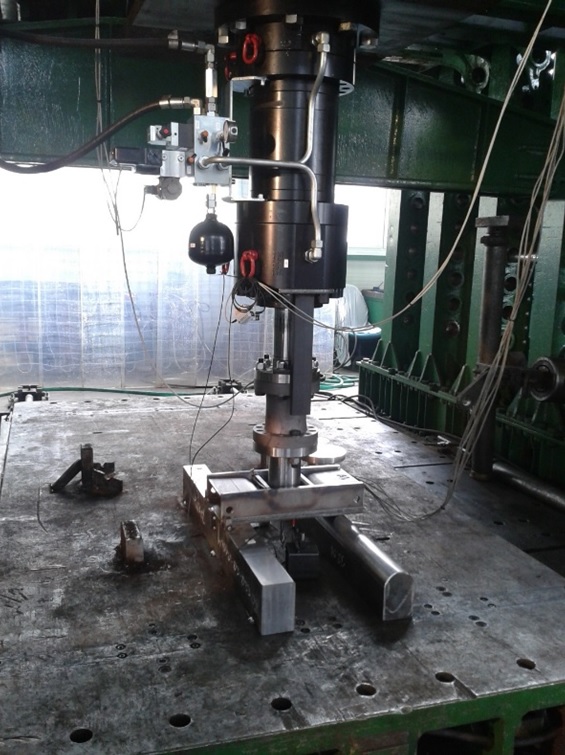
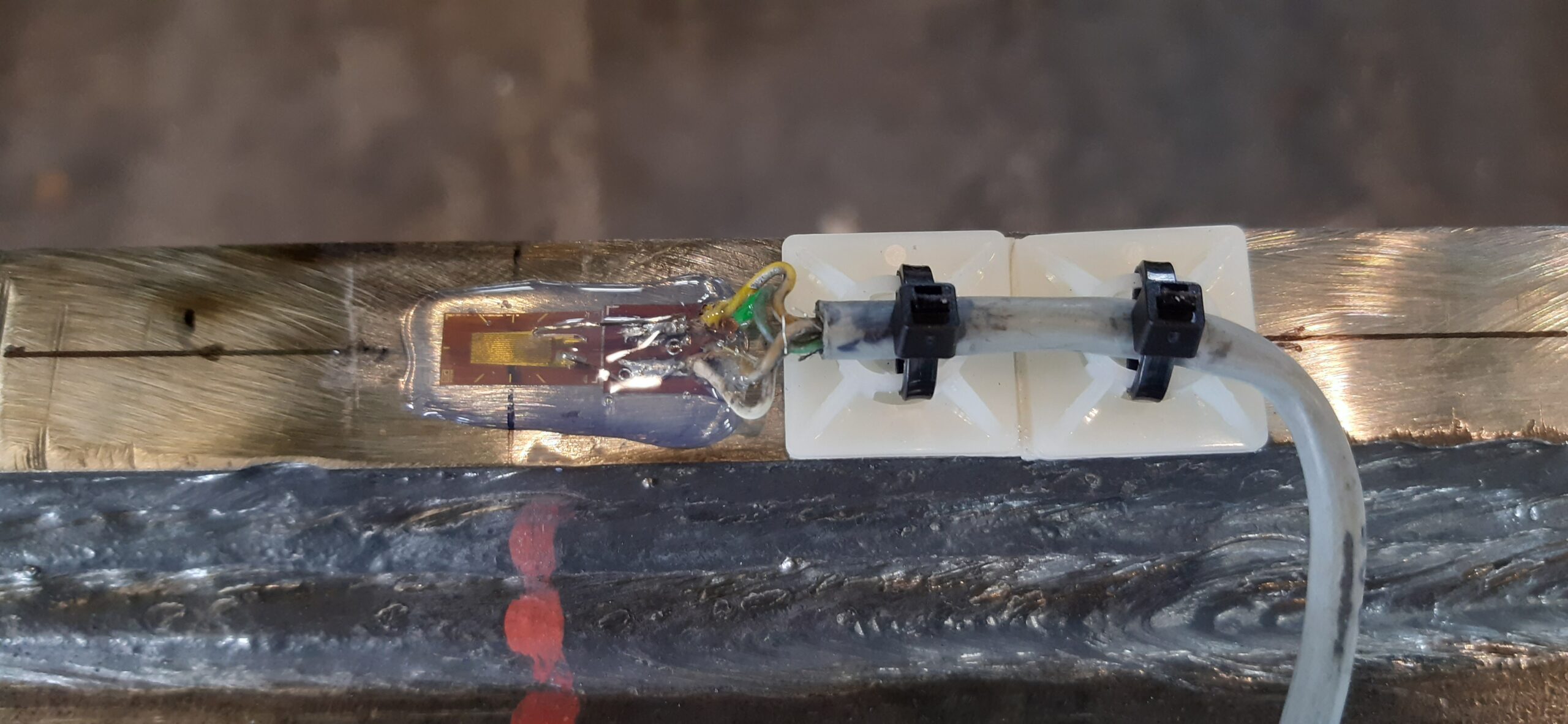
- During the tests, we regularly provide photographic documentation of the testing process. This documentation allows for detailed analysis and evaluation.
Load Tests and Force Range
The table below provides a concise and clear overview of the testing equipment we use, each characterized by different force ranges. By utilizing this testing equipment, it is possible to quickly identify critical points and perform necessary interventions on the given materials before more serious problems occur.
| Testing Equipment | Force Range |
|---|---|
| Universal Tensile Testing Machine ZD10/90 | 0÷100 kN |
| Universal Tensile Testing Machine ZD100 | 0÷1 000 kN |
| Universal Compression Testing Machine DB 600 | 0÷6 000 kN |
| Load Cell TA11 | 0÷10 kN |
| Load Cell TA21 | 0÷100 kN |
| Load Cell PROMI Classic | 0÷500 N |
| Tensile Loading Device 500 kN | 0÷500 kN |
| Load Measurement Device ZV-92 | 0÷1 MN |
| Load Measurement Device CDZ 400 T | 0÷2 MN |
| Load Measurement Cylinder 2 000 kN | 0÷2 000 kN |